ከልምድዎ ጋር ያነጻጽሩ
- ከቅርብ ውይይት በፊት ብቻዎን መሆን ሐሳብዎን ለማጥራት ረድቶዎታል?
- አወቃቀሮችንና እድሎችን መፈለግ የቅርብ ሥራን ለመረዳት ረድቷል?
- በግል ግንኙነት ያልተመሠረቱ መመዘኛዎችን ማነጻጸር በቅርብ ውሳኔ ረድቷል?
- አማራጮችን ክፍት መተውና መላመድ የቅርብ ግዴታን ለመፈጸም ረድተዋል?

Logician · The Thinker




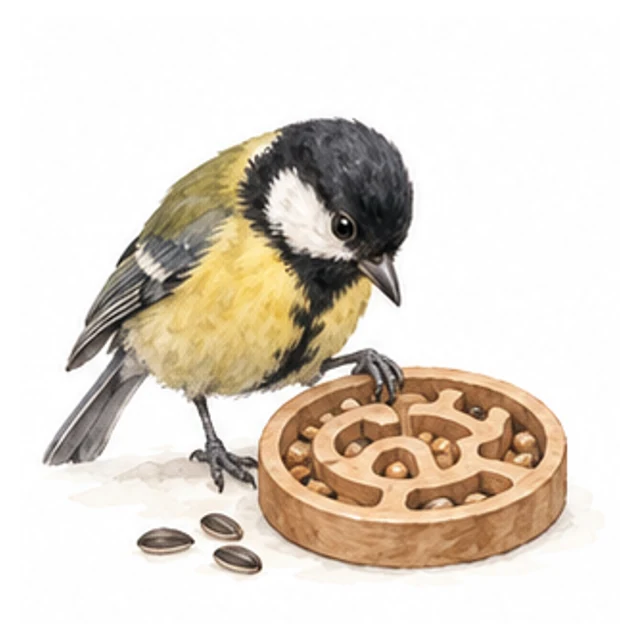

The Box Researcher
One box. Seventeen theories. A very busy afternoon.
The Puzzle-Ball Researcher
One rolling puzzle, several theories, and no reason to rush the answer.
The Puzzle Tinkerer
Each wooden piece suggests another possibility.
The Seed-Maze Solver
Every seed path suggests another way through.
The Shell Puzzler
A spiral shell holds one more question.
INTP: I (ትኩረትን በውስጣዊ ማሰላሰልና ሐሳቦች ላይ ማድረግ), N (ተደጋጋሚ አወቃቀሮችንና እድሎችን መመልከት), T (ውሳኔ ሲሰጥ በግል ግንኙነት ላይ ያልተመሠረቱ መመዘኛዎችን መጠቀም), P (በውጭ ሕይወት መለዋወጥንና አማራጮችን ክፍት መተውን መምረጥ). በዚህ ንድፈ ሐሳብ ፊደላቱ ዝንባሌዎችን ይገልጻሉ፤ የተለኩ ችሎታዎችን፣ ጉድለቶችን ወይም የሰው ክብርን አይደለም።
Myers & Briggs Foundation ምንጩ የንድፈ ሐሳቡን ቃላት ያብራራል፤ የOpenJung ትክክለኛነትን ወይም የእነዚህን ጥያቄዎች ውጤታማነት አያረጋግጥም።
This result guide and its practice choices are currently shown in English.
This type page has no personal scores or recorded assessment details. Choose a practice that fits a real situation; you do not need to identify with this type.
Off by default; all features work with it off. Send test starts and completions (quick, full or Jev), practice and reflection saves, returns, and Jev assistance request, candidate shown, accept, dismiss, unavailable, helpful or unhelpful events to this site with random browser, event and attempt IDs. No Jev descriptions, answers, scores or results are sent; records expire within 35 days.
Retention and how to turn this offFictional character scenes
Retreats into a cardboard box to investigate why the lid never quite stays shut.
Brings a wonderfully odd question to a quiet hangout. No quick answer required.
An imagined character for a little self-expression. These scenes do not describe every person of this type or change your assessment.
Fictional character scenes
Nudges the puzzle ball once, watches where it rolls, and considers a new approach.
Brings the curious ball to a friend so they can test a completely different idea.
An imagined character for a little self-expression. These scenes do not describe every person of this type or change your assessment.
Fictional character scenes
Turns a wooden puzzle piece in the sunlight, then lies back to think.
Invites a friend to try the odd corner piece and compare solutions.
An imagined character for a little self-expression. These scenes do not describe every person of this type or change your assessment.
Fictional character scenes
Traces the seed maze in silence, pausing beside an unsolved turn.
Invites a friend to move one seed and reveal a new route.
An imagined character for a little self-expression. These scenes do not describe every person of this type or change your assessment.
Fictional character scenes
Turns a spiral shell in quiet water, testing how its pieces might align.
Passes the shell puzzle to a friend and compares two unexpected solutions.
An imagined character for a little self-expression. These scenes do not describe every person of this type or change your assessment.
This sources and revision note is shown in English.
Scores summarize questionnaire answers. Percentages are scale positions, not accuracy or the probability of being a type. A type profile without scores is not a personal assessment.
OEJTS 1.2 questionnaire (PDF) Pages 1–3: license, 32 items and scoring rules for the source questionnaire. This is not a validation study of OpenJung, its quick test or translations.
OEJTS development “Item generation and evaluation” describes selection using self-identified types; “Versions and other downloads” links to version 1.2. This is development history, not validation of this adaptation.
Type descriptions and cognitive-function order are interpretive frameworks. This questionnaire does not directly measure functions, abilities, maturity or relationship compatibility.
Myers & Briggs Foundation: type dynamics “Terminology of Type Dynamics” and “Order of the Mental Processes” explain terms in that framework. They do not verify this site’s individual trait claims or establish personal stress mechanisms.
Myers & Briggs Foundation: the processes of type dynamics “The Eight Dominant Processes” supports the eight card definitions as theory terminology only. “Tertiary Process (Third Process)” describes disagreement about its orientation. Neither validates OpenJung or the editorial examples and questions.
Career questions, stress prompts and small actions are editorial suggestions to try in a real situation. They are not measured findings about you, treatments or promises of improvement. Cat scenes are fictional illustrations.
Record updated:
The recorded edits and source checks were AI-assisted (Amp). No independent expert review is recorded; this date is not a certification date.
Function-position wording and relationship recommendations were corrected. Career and stress advice, unsourced public-figure assignments and an INFJ growth entry were also corrected. Practical copy covers English, Simplified/Traditional Chinese, Japanese and Korean, with explicit English fallback elsewhere.
The 16 profile descriptions explain the four preference letters, with concrete experience and counterexample questions. Type, result and comparison pages use the same copy in all 44 interface languages, including matching titles and search summaries. The added translations are AI-assisted and have not received independent native-language or expert review. This is not psychometric validation.
Type-page reflection prompts and the /growth guides now use shared optional practices and observation questions. The five translated guides collect three exercises and two fictional scenarios each. They do not assign function training, stress mechanisms or personal deficits by type; scenarios are labelled fictional. This is an editorial correction, not evidence that the practices are effective.
Eight cognitive-function cards now distinguish sourced definitions from hypothetical examples and optional experience/counterexample questions in five languages, with labelled English fallback. Function nicknames and ability/deficit lists were removed. Type/result, learning-card and comparison displays use explicit theory boundaries; function order and scoring are unchanged.
The learning page now uses 16 explicitly fictional scenarios with alternative explanations and a 12-question terminology/boundary bank. Each eight-question round reports correct-answer counts only. Explanations distinguish source terminology from OpenJung editorial boundaries. Overview, metadata and five-language UI use the same scope, with labelled English fallback elsewhere. This is an AI-assisted editorial revision, not expert review or validation.
The function-stack exercise now identifies matches and unlisted orders only within the site’s unchanged 16-entry mapping. Position names, opposite pairs and disputed tertiary orientation have scoped sources. Five-language instructions and keyboard interactions were checked; this is not a personal assessment or validation of the mapping.
Type nicknames, temperament group names, and other untranslated content have not received a full source-by-source review. Lifestyle lists were removed rather than rewritten; Guess-the-Type scenes remain fictional mapping drills, not function identification. The independent mobile dataset has not been updated. These edits do not establish independent expert review or a validation study.
GitHub issues are public. The draft includes only the public page, type and language—not scores, answers or private result links. Add only the relevant excerpt and source.
እነዚህ አማራጭ ጥያቄዎች የእያንዳንዱን ዝንባሌ ጥንድ ሁለቱንም ጎኖች ያስሳሉ። የጥንካሬዎ ወይም የድክመትዎ ዝርዝር አይደሉም። አንድ የተወሰነ ክስተትና ሁኔታዎቹን ያስታውሱ። አንዱ፣ ሁለቱም ወይም ሁለቱም ያልሆኑ ሊስማሙዎት ይችላሉ።
This cognitive-function content is shown in English.
A theoretical lens on preferences; these functions are not directly measured by this questionnaire.
The order is a theoretical mapping, not measured skill or frequency. Conventions for the tertiary orientation differ.
Position terminology: Myers & Briggs Foundation (not validation of this questionnaire)In type dynamics, “dominant” names the process given the leading role in this type’s theoretical pattern. It does not establish your strongest skill. Compare the description with your own experience.
In Myers-Briggs type-dynamics terminology, Ti seeks internal consistency and logic among ideas.
Definition source: Myers & Briggs Foundation“The Eight Dominant Processes”; definitions and terminology only, not validation of individual abilities or OpenJung.
These hypothetical examples and questions are written by OpenJung. Use or skip any prompt. Both the experience and counterexample may fit, or neither may fit. They do not measure or train cognitive functions.
Suppose you compare two explanations and check whether each conclusion follows from its premises.
When have you checked an explanation for internal contradictions?
When did an external rule or result matter more than internal coherence?
English
Try a small, realistic task or role and talk with someone who does the work. Compare options using what you learn about the tasks, training, conditions, and constraints—not your type label.
English
Start with a recent event and choose any topic. These optional editorial prompts are the same for every type, not an assessment of your traits or a sequence of maturity levels.
You can simply reflect or skip a practice that does not fit. Notice no change or other explanations too; an exercise does not guarantee improvement.
The guide offers shared optional exercises and fictional examples, not a validated development program.
English
These optional prompts can be used by people of any type. They do not explain or diagnose your current state.
ይህ መረጃ ትምህርታዊ ዓላማ ብቻ ነው ምስጢር ሳይኮሎጂካል ምክር አይደለም። ግሌ ግንዛቤ ልዩ ልዩ ነው, እና ስብዕና ዓይነት ወሰድ ላይ አንድ ገጽታ ብቻ ነው።