ທຽບກັບປະສົບການຂອງທ່ານ
- ກ່ອນການສົນທະນາຫຼ້າສຸດ ເວລາຢູ່ຄົນດຽວຊ່ວຍໃຫ້ຄວາມຄິດຊັດເຈນຂຶ້ນບໍ?
- ຂໍ້ເທັດຈິງແລະລາຍລະອຽດທີ່ເປັນຮູບທຳຊ່ວຍໃຫ້ເຂົ້າໃຈວຽກຫຼ້າສຸດບໍ?
- ການຄຳນຶງເຖິງຄຸນຄ່າແລະຜົນຕໍ່ຄົນຊ່ວຍໃນການຕັດສິນໃຈຫຼ້າສຸດບໍ?
- ແຜນແລະໂຄງສ້າງຊ່ວຍໃຫ້ເຮັດຕາມສັນຍາຫຼ້າສຸດບໍ?

Defender · The Protector




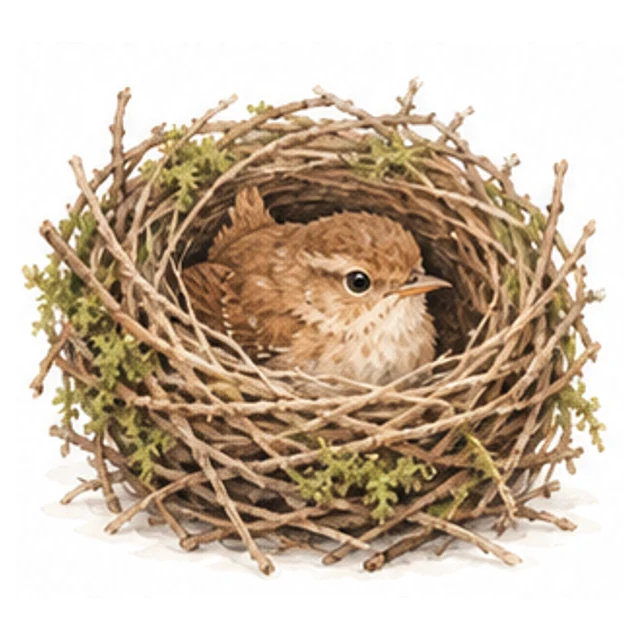

The Blanket Companion
Keeping a warm little spot for the ones who matter.
The Blanket Companion
The softest corner of the blanket stays open for someone familiar.
The Quilt Mender
A familiar quilt holds warmth in every patch.
The Soft-Nest Keeper
A carefully lined nest holds room for familiar company.
The Reed-Mat Keeper
A woven reed mat keeps one warm corner free.
ISFJ: I (ມຸ່ງສູ່ພາຍໃນ: ສົນໃຈການທົບທວນແລະຄວາມຄິດພາຍໃນ), S (ຮັບຮູ້ຜ່ານປະສາດສຳຜັດ: ຂໍ້ມູນທີ່ເປັນຮູບທຳແລະລາຍລະອຽດປັດຈຸບັນ), F (ຮູ້ສຶກ: ຄຳນຶງເຖິງຄຸນຄ່າແລະຜົນຕໍ່ຄົນໃນການຕັດສິນໃຈ), J (ຕັດສິນ: ມັກໂຄງສ້າງແລະການວາງແຜນໃນໂລກພາຍນອກ). ໃນທິດສະດີນີ້ ອັກສອນອະທິບາຍຄວາມມັກ, ບໍ່ແມ່ນຄວາມສາມາດທີ່ວັດແທກ, ຂໍ້ບົກພ່ອງ ຫຼືຄຸນຄ່າຂອງຄົນ.
Myers & Briggs Foundation ແຫຼ່ງຂໍ້ມູນອະທິບາຍຄຳສັບຂອງທິດສະດີ; ບໍ່ໄດ້ຢືນຢັນຄວາມຖືກຕ້ອງຂອງ OpenJung ຫຼືປະສິດທິຜົນຂອງຄຳຖາມເຫຼົ່ານີ້.
This result guide and its practice choices are currently shown in English.
This type page has no personal scores or recorded assessment details. Choose a practice that fits a real situation; you do not need to identify with this type.
Off by default; all features work with it off. Send test starts and completions (quick, full or Jev), practice and reflection saves, returns, and Jev assistance request, candidate shown, accept, dismiss, unavailable, helpful or unhelpful events to this site with random browser, event and attempt IDs. No Jev descriptions, answers, scores or results are sent; records expire within 35 days.
Retention and how to turn this offFictional character scenes
Kneads a favorite blanket until everything feels just right for a slow afternoon.
Makes a little room on the blanket, remembering which side a friend likes best.
An imagined character for a little self-expression. These scenes do not describe every person of this type or change your assessment.
Fictional character scenes
Nests into a well-loved blanket and listens to the gentle sounds of home.
Scoots over when a friend arrives, leaving them the warm side.
An imagined character for a little self-expression. These scenes do not describe every person of this type or change your assessment.
Fictional character scenes
Smooths a loose corner of the quilt, then settles beneath its oldest square.
Stitches one bright patch with a friend and saves them the warmest side.
An imagined character for a little self-expression. These scenes do not describe every person of this type or change your assessment.
Fictional character scenes
Smooths the lined nest and listens to the leaves before a nap.
Tucks one loose fiber near a friend so their side stays warm.
An imagined character for a little self-expression. These scenes do not describe every person of this type or change your assessment.
Fictional character scenes
Smooths the woven reed mat and naps where the afternoon sun reaches it.
Shifts toward the cool edge so a tired friend can have the warm spot.
An imagined character for a little self-expression. These scenes do not describe every person of this type or change your assessment.
This sources and revision note is shown in English.
Scores summarize questionnaire answers. Percentages are scale positions, not accuracy or the probability of being a type. A type profile without scores is not a personal assessment.
OEJTS 1.2 questionnaire (PDF) Pages 1–3: license, 32 items and scoring rules for the source questionnaire. This is not a validation study of OpenJung, its quick test or translations.
OEJTS development “Item generation and evaluation” describes selection using self-identified types; “Versions and other downloads” links to version 1.2. This is development history, not validation of this adaptation.
Type descriptions and cognitive-function order are interpretive frameworks. This questionnaire does not directly measure functions, abilities, maturity or relationship compatibility.
Myers & Briggs Foundation: type dynamics “Terminology of Type Dynamics” and “Order of the Mental Processes” explain terms in that framework. They do not verify this site’s individual trait claims or establish personal stress mechanisms.
Myers & Briggs Foundation: the processes of type dynamics “The Eight Dominant Processes” supports the eight card definitions as theory terminology only. “Tertiary Process (Third Process)” describes disagreement about its orientation. Neither validates OpenJung or the editorial examples and questions.
Career questions, stress prompts and small actions are editorial suggestions to try in a real situation. They are not measured findings about you, treatments or promises of improvement. Cat scenes are fictional illustrations.
Record updated:
The recorded edits and source checks were AI-assisted (Amp). No independent expert review is recorded; this date is not a certification date.
Function-position wording and relationship recommendations were corrected. Career and stress advice, unsourced public-figure assignments and an INFJ growth entry were also corrected. Practical copy covers English, Simplified/Traditional Chinese, Japanese and Korean, with explicit English fallback elsewhere.
The 16 profile descriptions explain the four preference letters, with concrete experience and counterexample questions. Type, result and comparison pages use the same copy in all 44 interface languages, including matching titles and search summaries. The added translations are AI-assisted and have not received independent native-language or expert review. This is not psychometric validation.
Type-page reflection prompts and the /growth guides now use shared optional practices and observation questions. The five translated guides collect three exercises and two fictional scenarios each. They do not assign function training, stress mechanisms or personal deficits by type; scenarios are labelled fictional. This is an editorial correction, not evidence that the practices are effective.
Eight cognitive-function cards now distinguish sourced definitions from hypothetical examples and optional experience/counterexample questions in five languages, with labelled English fallback. Function nicknames and ability/deficit lists were removed. Type/result, learning-card and comparison displays use explicit theory boundaries; function order and scoring are unchanged.
The learning page now uses 16 explicitly fictional scenarios with alternative explanations and a 12-question terminology/boundary bank. Each eight-question round reports correct-answer counts only. Explanations distinguish source terminology from OpenJung editorial boundaries. Overview, metadata and five-language UI use the same scope, with labelled English fallback elsewhere. This is an AI-assisted editorial revision, not expert review or validation.
The function-stack exercise now identifies matches and unlisted orders only within the site’s unchanged 16-entry mapping. Position names, opposite pairs and disputed tertiary orientation have scoped sources. Five-language instructions and keyboard interactions were checked; this is not a personal assessment or validation of the mapping.
Type nicknames, temperament group names, and other untranslated content have not received a full source-by-source review. Lifestyle lists were removed rather than rewritten; Guess-the-Type scenes remain fictional mapping drills, not function identification. The independent mobile dataset has not been updated. These edits do not establish independent expert review or a validation study.
GitHub issues are public. The draft includes only the public page, type and language—not scores, answers or private result links. Add only the relevant excerpt and source.
ຄຳຖາມທີ່ເລືອກເຮັດໄດ້ເຫຼົ່ານີ້ສຳຫຼວດທັງສອງດ້ານຂອງແຕ່ລະຄູ່ຄວາມມັກ. ບໍ່ແມ່ນລາຍການຈຸດແຂງຫຼືຈຸດອ່ອນຂອງທ່ານ. ລອງນຶກເຖິງເຫດການໜຶ່ງແລະສະພາບແວດລ້ອມ. ອາດກົງກັບດ້ານດຽວ, ທັງສອງ ຫຼືບໍ່ກົງເລີຍ.
This cognitive-function content is shown in English.
A theoretical lens on preferences; these functions are not directly measured by this questionnaire.
The order is a theoretical mapping, not measured skill or frequency. Conventions for the tertiary orientation differ.
Position terminology: Myers & Briggs Foundation (not validation of this questionnaire)In type dynamics, “dominant” names the process given the leading role in this type’s theoretical pattern. It does not establish your strongest skill. Compare the description with your own experience.
In Myers-Briggs type-dynamics terminology, Si compares present facts and situations with past experience.
Definition source: Myers & Briggs Foundation“The Eight Dominant Processes”; definitions and terminology only, not validation of individual abilities or OpenJung.
These hypothetical examples and questions are written by OpenJung. Use or skip any prompt. Both the experience and counterexample may fit, or neither may fit. They do not measure or train cognitive functions.
Suppose you compare today’s train delay with a similar trip last month before choosing another route.
When has a past experience helped you interpret current facts?
When did the present facts differ enough that the past comparison did not fit?
English
Try a small, realistic task or role and talk with someone who does the work. Compare options using what you learn about the tasks, training, conditions, and constraints—not your type label.
English
Start with a recent event and choose any topic. These optional editorial prompts are the same for every type, not an assessment of your traits or a sequence of maturity levels.
You can simply reflect or skip a practice that does not fit. Notice no change or other explanations too; an exercise does not guarantee improvement.
The guide offers shared optional exercises and fictional examples, not a validated development program.
English
These optional prompts can be used by people of any type. They do not explain or diagnose your current state.
ຂໍ້ມູນນີ້ສໍາລັບການສຶກສາ ແລະ ບໍ່ຄວນຖືວ່າລະດັບໃຈວິທະຍາຜູ້ບົນ. ປະສົບການບຸກຄົນແຕກຕ່າງກັນຢ່າງຫຼວງຫຼາຍ, ແລະ ປະເພດບຸກຄະລິກພາບເປັນພຽງໜຶ່ງສ່ວນຂອງໃຜທີ່ທ່ານເປັນ.