ESFJ Consul characterESFJ Consul characterESFJ Consul characterESFJ Consul characterESFJ Consul character

Ukážkový vzor: každé písmeno je vykreslené na 75%.

ESFJ

Consul · The Provider

The Cozy Host

The best seat in the house is the one beside a friend.

The Welcoming Host

Two water bowls by the door mean a visitor never has to wonder if there is room.

The Picnic Arranger

Colorful plates say there is room for everyone.

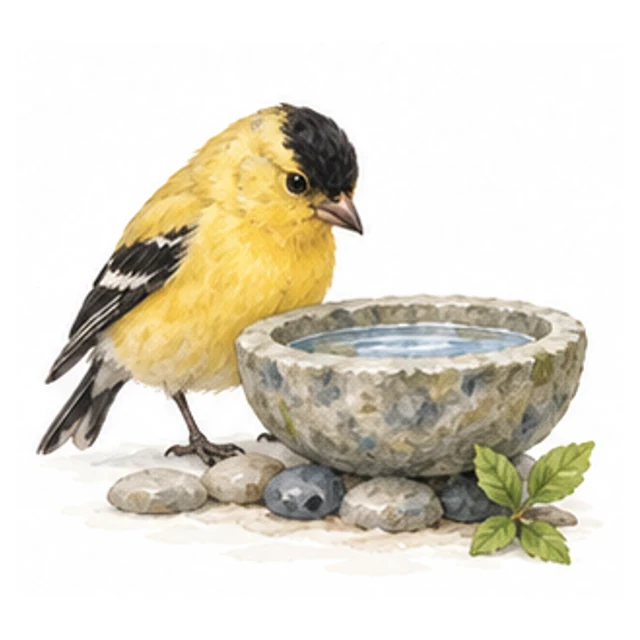
The Birdbath Host

Fresh water and a sunny rim make an easy place to meet.

The Riverbank Host

At the shared riverbank table, every seat has a shell cup.

Štyri písmená v teórii typov

ESFJ: E (extraverzia: pozornosť k ľuďom a činnostiam vonkajšieho sveta), S (zmyslové vnímanie: konkrétne informácie a súčasné detaily), F (cítenie: hodnoty a vplyv na ľudí pri rozhodovaní), J (usudzovanie: preferovanie štruktúry a plánovania vo vonkajšom svete). V tejto teórii písmená opisujú preferencie, nie merané schopnosti, nedostatky ani hodnotu človeka.

Myers & Briggs Foundation

Take the Test

A type description is a starting point

This result guide and its practice choices are currently shown in English.

This type page has no personal scores or recorded assessment details. Choose a practice that fits a real situation.

Scores and how to read them
Choose one small practice

Pick what would help in your next conversation or decision.

Explore more practices

What would you like to work on?

Add a situation or time (optional)

Up to 300 characters. Local date and time, 2000–2099; past plans are allowed. No reminders.

Saved in this browser. No account needed.

Off by default, and everything works with it off. If you turn it on, this site records when you start or finish a test (quick, full or Jev), save a practice or reflection, or come back. It also records Jev events: requests, suggestions shown, whether you accept or dismiss them, whether you mark them helpful, and when Jev is unavailable. Each record carries only random browser, event and attempt IDs. Jev descriptions, answers, scores and results are never sent, and records expire within 35 days.

Retention and how to turn this off

Fictional character scenes

With cats

A moment to recharge

Chooses the cushion near the conversation, where a familiar voice makes resting easy.

With a friend

Welcomes a visitor with a cozy seat and remembers to save a little quiet time afterward.

An imagined character, drawn for fun.

Fictional character scenes

With dogs

A moment to recharge

Refills both water bowls, then relaxes where friendly voices drift in.

With a friend

Greets a visitor at the door and shows them the bowl and cushion set aside for them.

An imagined character, drawn for fun.

Fictional character scenes

With rabbits

A moment to recharge

Sets the picnic plates in a bright circle, then relaxes beneath the willow.

With a friend

Saves the berry-painted plate for a friend and shares the first pear.

An imagined character, drawn for fun.

Fictional character scenes

With birds

A moment to recharge

Rinses at the quiet birdbath, then dries on the warm stone rim.

With a friend

Splashes a little space clear when a friend lands beside the water.

An imagined character, drawn for fun.

Fictional character scenes

With otters

A moment to recharge

Sets the riverbank table, then listens to the reeds while waiting.

With a friend

Welcomes a friend with berries, a shell cup, and the best waterside seat.

An imagined character, drawn for fun.

This sources and revision note is shown in English.

Sources and editorial scope

Questionnaire results

Scores summarize questionnaire answers. Percentages are scale positions, not accuracy or the probability of being a type. A type profile without scores is not a personal assessment.

OEJTS 1.2 questionnaire (PDF) Pages 1–3: license, 32 items and scoring rules for the source questionnaire. This is not a validation study of OpenJung, its quick test or translations.

OEJTS development “Item generation and evaluation” describes selection using self-identified types; “Versions and other downloads” links to version 1.2. This is development history, not validation of this adaptation.

Type theory

Type descriptions and cognitive-function order are interpretive frameworks. This questionnaire does not directly measure functions, abilities, maturity or relationship compatibility.

Myers & Briggs Foundation: type dynamics “Terminology of Type Dynamics” and “Order of the Mental Processes” explain terms in that framework. They do not verify this site’s individual trait claims or establish personal stress mechanisms.

Myers & Briggs Foundation: the processes of type dynamics “The Eight Dominant Processes” supports the eight card definitions as theory terminology only. “Tertiary Process (Third Process)” describes disagreement about its orientation. Neither validates OpenJung or the editorial examples and questions.

Optional practice

Career questions, stress prompts and small actions are editorial suggestions to try in a real situation. They are not measured findings about you, treatments or promises of improvement. Cat scenes are fictional illustrations.

Record updated:

The recorded edits and source checks were AI-assisted (Amp). No independent expert review is recorded; this date is not a certification date.

What was checked

Function-position wording and relationship recommendations were corrected. Career and stress advice, unsourced public-figure assignments and an INFJ growth entry were also corrected. Practical copy covers English, Simplified/Traditional Chinese, Japanese and Korean, with explicit English fallback elsewhere.

The 16 profile descriptions explain the four preference letters, with concrete experience and counterexample questions. Type, result and comparison pages use the same copy in all 44 interface languages, including matching titles and search summaries. The added translations are AI-assisted and have not received independent native-language or expert review. This is not psychometric validation.

Type-page reflection prompts and the /growth guides now use shared optional practices and observation questions. The five translated guides collect three exercises and two fictional scenarios each. They do not assign function training, stress mechanisms or personal deficits by type; scenarios are labelled fictional. This is an editorial correction, not evidence that the practices are effective.

Eight cognitive-function cards now distinguish sourced definitions from hypothetical examples and optional experience/counterexample questions in five languages, with labelled English fallback. Function nicknames and ability/deficit lists were removed. Type/result, learning-card and comparison displays use explicit theory boundaries; function order and scoring are unchanged.

The learning page now uses 16 explicitly fictional scenarios with alternative explanations and a 12-question terminology/boundary bank. Each eight-question round reports correct-answer counts only. Explanations distinguish source terminology from OpenJung editorial boundaries. Overview, metadata and five-language UI use the same scope, with labelled English fallback elsewhere. This is an AI-assisted editorial revision, not expert review or validation.

The function-stack exercise now identifies matches and unlisted orders only within the site’s unchanged 16-entry mapping. Position names, opposite pairs and disputed tertiary orientation have scoped sources. Five-language instructions and keyboard interactions were checked; this is not a personal assessment or validation of the mapping.

What remains unreviewed

Type nicknames, temperament group names, and other untranslated content have not received a full source-by-source review. Lifestyle lists were removed rather than rewritten; Guess-the-Type scenes remain fictional mapping drills, not function identification. The independent mobile dataset has not been updated. These edits do not establish independent expert review or a validation study.


Report a content issue

GitHub issues are public. The draft includes only the public page, type and language—not scores, answers or private result links. Add only the relevant excerpt and source.

Tieto dobrovoľné otázky skúmajú obe strany každej dvojice preferencií. Nie sú zoznamom vašich predností či nedostatkov. Spomeňte si na konkrétnu udalosť a jej okolnosti. Môže sedieť jedna strana, obe alebo žiadna.

Porovnajte s vlastnými skúsenosťami

  • Pomohol vám rozhovor s ostatnými ujasniť myšlienky počas nedávnej diskusie?
  • Pomohli konkrétne fakty a detaily pochopiť nedávnu úlohu?
  • Pomohlo zváženie hodnôt a vplyvu na ľudí pri nedávnom rozhodnutí?
  • Pomohli plán a štruktúra splniť nedávny záväzok?

Hľadajte aj opačné príklady

  • Pomohol vám čas osamote ujasniť myšlienky pred nedávnou diskusiou?
  • Pomohlo hľadanie vzorcov a možností pochopiť nedávnu úlohu?
  • Pomohlo porovnanie neosobných kritérií pri nedávnom rozhodnutí?
  • Pomohli otvorené možnosti a prispôsobovanie splniť nedávny záväzok?

Cognitive functions

This cognitive-function content is shown in English.

Type theory uses these terms to describe preferences. This questionnaire does not directly measure cognitive functions.

Theories differ on whether the tertiary function is introverted or extraverted.

Position terminology: Myers & Briggs Foundation

In type dynamics, “dominant” names the process given the leading role in this type’s theoretical pattern. Compare the description with your own experience.

In Myers-Briggs type-dynamics terminology, Fe seeks harmony with and between people, with attention to interpersonal and cultural values.

Definition source: Myers & Briggs FoundationFrom “The Eight Dominant Processes”.

OpenJung wrote these examples and questions. Use or skip any prompt.

Hypothetical example

Suppose dinner guests discuss customs before choosing a menu everyone can accept.

Reflect on an experience

When have interpersonal or cultural values shaped a group choice?

Consider a counterexample

When did your personal value outweigh group agreement?

English

Career exploration questions

Try a small, realistic task or role and talk with someone who does the work. Then compare options by what you learned about the tasks, training, conditions and constraints.

  • Which tasks hold your interest when you actually try them?
  • Which skills do you already use, and what training would the next step require?
  • What pace, autonomy, teamwork, or structure helps you work well?
  • What constraints must your choice account for, such as pay, location, schedule, access, or caregiving?

English

Reflect on a real situation

Start with a recent event and pick any topic. The prompts are the same for every type.

Skip any practice that doesn’t fit. If nothing changes, that’s worth noting too.

Read the reflection guide

More exercises, plus a few fictional examples.

English

When stress gets in the way

These prompts are the same for every type, and they can’t diagnose how you feel.

  • If stress is getting in the way, identify the specific workload or event involved and one part you may be able to change.
  • If distress persists or disrupts daily life, consider asking someone you trust or an appropriate support service for help.

More ESFJ comparisons