ESTP

Empreendedor · O realizador

ESTP Empreendedor character ESTP Empreendedor characterESTP Empreendedor characterESTP Empreendedor characterESTP Empreendedor characterESTP Empreendedor character

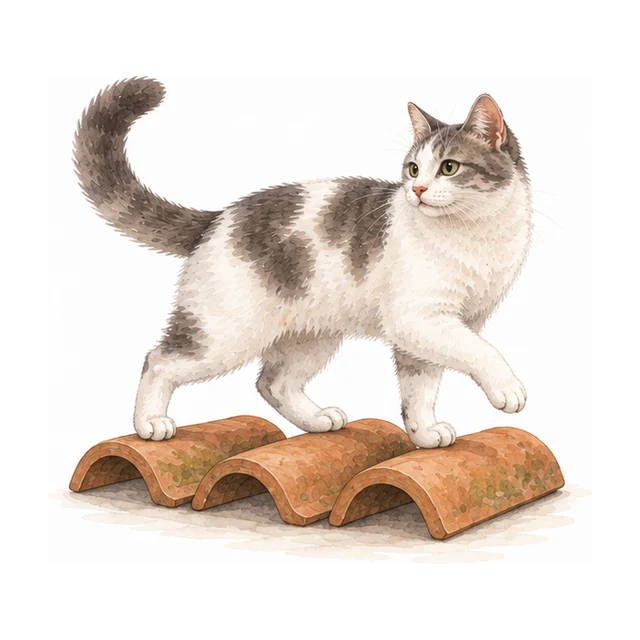
The Rooftop Adventurer

A new view is a good reason to get moving.

The Stepping-Stone Adventurer

The next stone is close enough to try and far enough to feel like an adventure.

The Log Jumper

The next stepping log is ready for a lively leap.

The Stream-Stone Hopper

A sunlit stream stone is close enough for one bright hop.

The Rock Hopper

The next sunlit rock is ready for a clean landing.

As quatro letras na teoria dos tipos

ESTP: E (extroversão: atenção às pessoas e atividades do mundo externo), S (sensação: informações concretas e detalhes presentes), T (pensamento: critérios impessoais na tomada de decisões), P (percepção: preferência por flexibilidade e opções abertas no mundo externo). Nesta teoria, as letras descrevem preferências, não capacidades medidas, defeitos ou valor pessoal.

Myers & Briggs Foundation A fonte explica os termos da teoria; não valida o OpenJung nem a eficácia destas perguntas.

A type description is a starting point

This result guide and its practice choices are currently shown in English.

This type page has no personal scores or recorded assessment details. Choose a practice that fits a real situation; you do not need to identify with this type.

Scores and how to read them
Choose one small practice

Pick what would help in your next conversation or decision. These are options to try, not prescriptions for a personality type.

Explore more practices

What would you like to work on?

Add a situation or time (optional)

Up to 300 characters. Local date and time, 2000–2099; past plans are allowed. No reminders.

Saved on this browser, without an account. Research and usage sharing can stay off.

Off by default; all features work with it off. Send test starts and completions (quick, full or Jev), practice and reflection saves, returns, and Jev assistance request, candidate shown, accept, dismiss, unavailable, helpful or unhelpful events to this site with random browser, event and attempt IDs. No Jev descriptions, answers, scores or results are sent; records expire within 35 days.

Retention and how to turn this off

Fictional character scenes

With cats

A moment to recharge

Tries a new climbing perch, then pauses to enjoy a view that was not there yesterday.

With a friend

Turns an ordinary afternoon into a small adventure, with an easy way for friends to opt out.

An imagined character for a little self-expression. These scenes do not describe every person of this type or change your assessment.

Fictional character scenes

With dogs

A moment to recharge

Hops across the stream one stone at a time, stopping midway to enjoy the splash.

With a friend

Turns back to show a friend the steady stones and matches their pace across.

An imagined character for a little self-expression. These scenes do not describe every person of this type or change your assessment.

Fictional character scenes

With rabbits

A moment to recharge

Bounds across the stepping logs, then stretches out on the warm bank.

With a friend

Doubles back to race a friend, choosing a route they can both enjoy.

An imagined character for a little self-expression. These scenes do not describe every person of this type or change your assessment.

Fictional character scenes

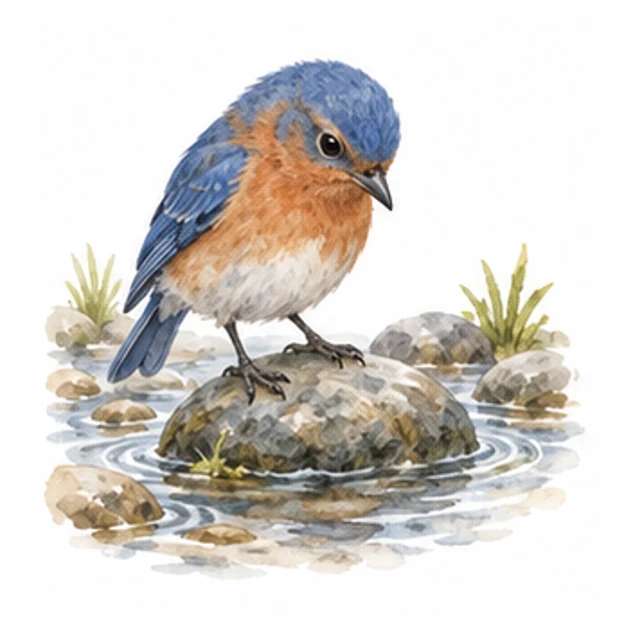
With birds

A moment to recharge

Lands on the stream stone, feels the cool spray, and pauses in the sun.

With a friend

Hops back to guide a friend toward the driest edge.

An imagined character for a little self-expression. These scenes do not describe every person of this type or change your assessment.

Fictional character scenes

With otters

A moment to recharge

Hops three river rocks, then stretches out on the warmest one.

With a friend

Calls a friend over and takes the splashier route beside them.

An imagined character for a little self-expression. These scenes do not describe every person of this type or change your assessment.

This sources and revision note is shown in English.

Sources and editorial scope

Questionnaire results

Scores summarize questionnaire answers. Percentages are scale positions, not accuracy or the probability of being a type. A type profile without scores is not a personal assessment.

OEJTS 1.2 questionnaire (PDF) Pages 1–3: license, 32 items and scoring rules for the source questionnaire. This is not a validation study of OpenJung, its quick test or translations.

OEJTS development “Item generation and evaluation” describes selection using self-identified types; “Versions and other downloads” links to version 1.2. This is development history, not validation of this adaptation.

Type theory

Type descriptions and cognitive-function order are interpretive frameworks. This questionnaire does not directly measure functions, abilities, maturity or relationship compatibility.

Myers & Briggs Foundation: type dynamics “Terminology of Type Dynamics” and “Order of the Mental Processes” explain terms in that framework. They do not verify this site’s individual trait claims or establish personal stress mechanisms.

Myers & Briggs Foundation: the processes of type dynamics “The Eight Dominant Processes” supports the eight card definitions as theory terminology only. “Tertiary Process (Third Process)” describes disagreement about its orientation. Neither validates OpenJung or the editorial examples and questions.

Optional practice

Career questions, stress prompts and small actions are editorial suggestions to try in a real situation. They are not measured findings about you, treatments or promises of improvement. Cat scenes are fictional illustrations.

Record updated:

The recorded edits and source checks were AI-assisted (Amp). No independent expert review is recorded; this date is not a certification date.

What was checked

Function-position wording and relationship recommendations were corrected. Career and stress advice, unsourced public-figure assignments and an INFJ growth entry were also corrected. Practical copy covers English, Simplified/Traditional Chinese, Japanese and Korean, with explicit English fallback elsewhere.

The 16 profile descriptions explain the four preference letters, with concrete experience and counterexample questions. Type, result and comparison pages use the same copy in all 44 interface languages, including matching titles and search summaries. The added translations are AI-assisted and have not received independent native-language or expert review. This is not psychometric validation.

Type-page reflection prompts and the /growth guides now use shared optional practices and observation questions. The five translated guides collect three exercises and two fictional scenarios each. They do not assign function training, stress mechanisms or personal deficits by type; scenarios are labelled fictional. This is an editorial correction, not evidence that the practices are effective.

Eight cognitive-function cards now distinguish sourced definitions from hypothetical examples and optional experience/counterexample questions in five languages, with labelled English fallback. Function nicknames and ability/deficit lists were removed. Type/result, learning-card and comparison displays use explicit theory boundaries; function order and scoring are unchanged.

The learning page now uses 16 explicitly fictional scenarios with alternative explanations and a 12-question terminology/boundary bank. Each eight-question round reports correct-answer counts only. Explanations distinguish source terminology from OpenJung editorial boundaries. Overview, metadata and five-language UI use the same scope, with labelled English fallback elsewhere. This is an AI-assisted editorial revision, not expert review or validation.

The function-stack exercise now identifies matches and unlisted orders only within the site’s unchanged 16-entry mapping. Position names, opposite pairs and disputed tertiary orientation have scoped sources. Five-language instructions and keyboard interactions were checked; this is not a personal assessment or validation of the mapping.

What remains unreviewed

Type nicknames, temperament group names, and other untranslated content have not received a full source-by-source review. Lifestyle lists were removed rather than rewritten; Guess-the-Type scenes remain fictional mapping drills, not function identification. The independent mobile dataset has not been updated. These edits do not establish independent expert review or a validation study.


Report a content issue

GitHub issues are public. The draft includes only the public page, type and language—not scores, answers or private result links. Add only the relevant excerpt and source.

Estas perguntas opcionais exploram os dois lados de cada par de preferências. Não são uma lista de qualidades ou defeitos seus. Lembre uma situação concreta e suas condições. Um lado, ambos ou nenhum podem se aplicar.

Compare com suas experiências

  • Numa conversa recente, falar com outras pessoas ajudou a organizar suas ideias?
  • Numa tarefa recente, começar por fatos e detalhes concretos ajudou a entendê-la?
  • Comparar critérios impessoais ajudou você a tomar uma decisão recente?
  • Manter opções abertas e se adaptar ajudou a cumprir um compromisso recente?

Procure também exemplos contrários

  • Antes de uma conversa recente, ficar a sós ajudou a organizar suas ideias?
  • Numa tarefa recente, buscar padrões e possibilidades ajudou a entendê-la?
  • Considerar valores e efeitos sobre as pessoas ajudou numa decisão recente?
  • Definir um plano e uma estrutura ajudou a cumprir um compromisso recente?

Cognitive functions

This cognitive-function content is shown in English.

A theoretical lens on preferences; these functions are not directly measured by this questionnaire.

The order is a theoretical mapping, not measured skill or frequency. Conventions for the tertiary orientation differ.

Position terminology: Myers & Briggs Foundation (not validation of this questionnaire)

In type dynamics, “dominant” names the process given the leading role in this type’s theoretical pattern. It does not establish your strongest skill. Compare the description with your own experience.

In Myers-Briggs type-dynamics terminology, Se acts on concrete information in the here and now.

Definition source: Myers & Briggs Foundation“The Eight Dominant Processes”; definitions and terminology only, not validation of individual abilities or OpenJung.

These hypothetical examples and questions are written by OpenJung. Use or skip any prompt. Both the experience and counterexample may fit, or neither may fit. They do not measure or train cognitive functions.

Hypothetical example

Suppose rain starts during a picnic, so you move the food under the nearest shelter.

Reflect on an experience

When have concrete details in the moment guided your next action?

Consider a counterexample

When did past experience matter more than immediate information?

English

Career exploration questions

Try a small, realistic task or role and talk with someone who does the work. Compare options using what you learn about the tasks, training, conditions, and constraints—not your type label.

  • Which tasks hold your interest when you try them in practice?
  • Which skills do you already use, and what training would the next step require?
  • Which work conditions help you do your best work, such as pace, autonomy, teamwork, or structure?
  • Which practical constraints—such as pay, location, schedule, access, or caregiving—must a choice fit?

English

Reflect on a real situation

Start with a recent event and choose any topic. These optional editorial prompts are the same for every type, not an assessment of your traits or a sequence of maturity levels.

You can simply reflect or skip a practice that does not fit. Notice no change or other explanations too; an exercise does not guarantee improvement.

Read the reflection guide

The guide offers shared optional exercises and fictional examples, not a validated development program.

English

When stress gets in the way

These optional prompts can be used by people of any type. They do not explain or diagnose your current state.

  • If stress is getting in the way, identify the specific workload or event involved and one part you may be able to change.
  • If distress persists or disrupts daily life, consider asking someone you trust or an appropriate support service for help.

Esta informacao e apenas para fins educacionais e nao deve ser considerada aconselhamento psicologico profissional. Experiencias individuais variam significativamente, e o tipo de personalidade e apenas um aspecto de quem voce e.