ISFP

Adventurer · The Composer

ISFP Adventurer character ISFP Adventurer characterISFP Adventurer characterISFP Adventurer characterISFP Adventurer characterISFP Adventurer character

The Sunbeam Artist

A patch of light can turn an ordinary afternoon into art.

The Meadow Observer

Grass, clouds, and one passing butterfly make the meadow worth lingering in.

The Leaf Sketcher

One veined leaf is enough for a quiet study.

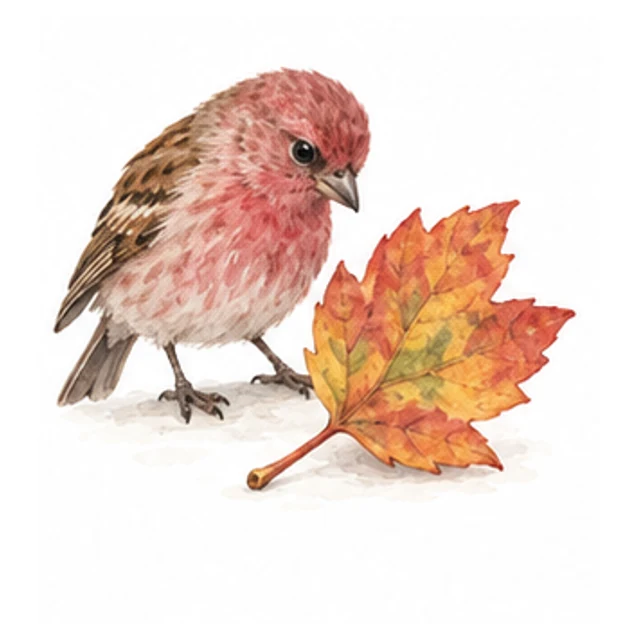
The Colored-Leaf Collector

One colored leaf gives the shaded perch its own gentle glow.

The Waterleaf Painter

A leaf touching water draws a line that lasts one breath.

Cele patru litere în teoria tipurilor

ISFP: I (introversie: atenție către reflecția interioară și idei), S (senzație: informații concrete și detalii prezente), F (sentiment: valori și efecte asupra oamenilor în luarea deciziilor), P (percepție: preferință pentru flexibilitate și opțiuni deschise în lumea exterioară). În această teorie, literele descriu preferințe, nu abilități măsurate, defecte sau valoarea unei persoane.

Myers & Briggs Foundation Sursa explică termenii teoriei; nu validează OpenJung sau eficacitatea acestor întrebări.

A type description is a starting point

This result guide and its practice choices are currently shown in English.

This type page has no personal scores or recorded assessment details. Choose a practice that fits a real situation; you do not need to identify with this type.

Scores and how to read them
Choose one small practice

Pick what would help in your next conversation or decision. These are options to try, not prescriptions for a personality type.

Explore more practices

What would you like to work on?

Add a situation or time (optional)

Up to 300 characters. Local date and time, 2000–2099; past plans are allowed. No reminders.

Saved on this browser, without an account. Research and usage sharing can stay off.

Off by default; all features work with it off. Send test starts and completions (quick, full or Jev), practice and reflection saves, returns, and Jev assistance request, candidate shown, accept, dismiss, unavailable, helpful or unhelpful events to this site with random browser, event and attempt IDs. No Jev descriptions, answers, scores or results are sent; records expire within 35 days.

Retention and how to turn this off

Fictional character scenes

With cats

A moment to recharge

Stretches out in a patch of light and lets the afternoon choose its own colors.

With a friend

Brings a friend to a lovely little spot, with no need to explain why it matters.

An imagined character for a little self-expression. These scenes do not describe every person of this type or change your assessment.

Fictional character scenes

With dogs

A moment to recharge

Settles among the grass and watches a butterfly cross the afternoon light.

With a friend

Leads a friend to a patch of tiny flowers and stays while they notice their own favorite.

An imagined character for a little self-expression. These scenes do not describe every person of this type or change your assessment.

Fictional character scenes

With rabbits

A moment to recharge

Sketches a maple leaf by the pond, then watches ripples cross the page’s shadow.

With a friend

Trades leaf sketches with a friend and adds a tiny beetle to theirs.

An imagined character for a little self-expression. These scenes do not describe every person of this type or change your assessment.

Fictional character scenes

With birds

A moment to recharge

Turns a colored leaf toward the light, then rests beside its warm shade.

With a friend

Brings the leaf to a friend and lets them choose where it belongs.

An imagined character for a little self-expression. These scenes do not describe every person of this type or change your assessment.

Fictional character scenes

With otters

A moment to recharge

Trails a leaf tip across still water like a brush and watches the line fade.

With a friend

Gives a friend another leaf and lets their two rippling pictures meet.

An imagined character for a little self-expression. These scenes do not describe every person of this type or change your assessment.

This sources and revision note is shown in English.

Sources and editorial scope

Questionnaire results

Scores summarize questionnaire answers. Percentages are scale positions, not accuracy or the probability of being a type. A type profile without scores is not a personal assessment.

OEJTS 1.2 questionnaire (PDF) Pages 1–3: license, 32 items and scoring rules for the source questionnaire. This is not a validation study of OpenJung, its quick test or translations.

OEJTS development “Item generation and evaluation” describes selection using self-identified types; “Versions and other downloads” links to version 1.2. This is development history, not validation of this adaptation.

Type theory

Type descriptions and cognitive-function order are interpretive frameworks. This questionnaire does not directly measure functions, abilities, maturity or relationship compatibility.

Myers & Briggs Foundation: type dynamics “Terminology of Type Dynamics” and “Order of the Mental Processes” explain terms in that framework. They do not verify this site’s individual trait claims or establish personal stress mechanisms.

Myers & Briggs Foundation: the processes of type dynamics “The Eight Dominant Processes” supports the eight card definitions as theory terminology only. “Tertiary Process (Third Process)” describes disagreement about its orientation. Neither validates OpenJung or the editorial examples and questions.

Optional practice

Career questions, stress prompts and small actions are editorial suggestions to try in a real situation. They are not measured findings about you, treatments or promises of improvement. Cat scenes are fictional illustrations.

Record updated:

The recorded edits and source checks were AI-assisted (Amp). No independent expert review is recorded; this date is not a certification date.

What was checked

Function-position wording and relationship recommendations were corrected. Career and stress advice, unsourced public-figure assignments and an INFJ growth entry were also corrected. Practical copy covers English, Simplified/Traditional Chinese, Japanese and Korean, with explicit English fallback elsewhere.

The 16 profile descriptions explain the four preference letters, with concrete experience and counterexample questions. Type, result and comparison pages use the same copy in all 44 interface languages, including matching titles and search summaries. The added translations are AI-assisted and have not received independent native-language or expert review. This is not psychometric validation.

Type-page reflection prompts and the /growth guides now use shared optional practices and observation questions. The five translated guides collect three exercises and two fictional scenarios each. They do not assign function training, stress mechanisms or personal deficits by type; scenarios are labelled fictional. This is an editorial correction, not evidence that the practices are effective.

Eight cognitive-function cards now distinguish sourced definitions from hypothetical examples and optional experience/counterexample questions in five languages, with labelled English fallback. Function nicknames and ability/deficit lists were removed. Type/result, learning-card and comparison displays use explicit theory boundaries; function order and scoring are unchanged.

The learning page now uses 16 explicitly fictional scenarios with alternative explanations and a 12-question terminology/boundary bank. Each eight-question round reports correct-answer counts only. Explanations distinguish source terminology from OpenJung editorial boundaries. Overview, metadata and five-language UI use the same scope, with labelled English fallback elsewhere. This is an AI-assisted editorial revision, not expert review or validation.

The function-stack exercise now identifies matches and unlisted orders only within the site’s unchanged 16-entry mapping. Position names, opposite pairs and disputed tertiary orientation have scoped sources. Five-language instructions and keyboard interactions were checked; this is not a personal assessment or validation of the mapping.

What remains unreviewed

Type nicknames, temperament group names, and other untranslated content have not received a full source-by-source review. Lifestyle lists were removed rather than rewritten; Guess-the-Type scenes remain fictional mapping drills, not function identification. The independent mobile dataset has not been updated. These edits do not establish independent expert review or a validation study.


Report a content issue

GitHub issues are public. The draft includes only the public page, type and language—not scores, answers or private result links. Add only the relevant excerpt and source.

Aceste întrebări opționale explorează ambele laturi ale fiecărei perechi de preferințe. Nu sunt o listă cu calitățile sau defectele tale. Amintește-ți un eveniment concret și împrejurările lui. Se poate potrivi o latură, ambele sau niciuna.

Compară cu experiența ta

  • Înaintea unei discuții recente, timpul petrecut singur te-a ajutat să îți clarifici ideile?
  • Faptele și detaliile concrete te-au ajutat să înțelegi o sarcină recentă?
  • Luarea în considerare a valorilor și efectelor asupra oamenilor te-a ajutat să decizi recent?
  • Păstrarea opțiunilor deschise și adaptarea te-au ajutat să îndeplinești un angajament recent?

Caută și contraexemple

  • Într-o discuție recentă, conversația cu ceilalți te-a ajutat să îți clarifici ideile?
  • Căutarea tiparelor și posibilităților te-a ajutat să înțelegi o sarcină recentă?
  • Compararea unor criterii impersonale te-a ajutat să iei o decizie recentă?
  • Un plan și o structură te-au ajutat să îndeplinești un angajament recent?

Cognitive functions

This cognitive-function content is shown in English.

A theoretical lens on preferences; these functions are not directly measured by this questionnaire.

The order is a theoretical mapping, not measured skill or frequency. Conventions for the tertiary orientation differ.

Position terminology: Myers & Briggs Foundation (not validation of this questionnaire)

In type dynamics, “dominant” names the process given the leading role in this type’s theoretical pattern. It does not establish your strongest skill. Compare the description with your own experience.

In Myers-Briggs type-dynamics terminology, Fi seeks harmony between actions, thoughts, and personal values.

Definition source: Myers & Briggs Foundation“The Eight Dominant Processes”; definitions and terminology only, not validation of individual abilities or OpenJung.

These hypothetical examples and questions are written by OpenJung. Use or skip any prompt. Both the experience and counterexample may fit, or neither may fit. They do not measure or train cognitive functions.

Hypothetical example

Suppose you decline an invitation because the event conflicts with something personally important to you.

Reflect on an experience

When has a personal value shaped one of your choices?

Consider a counterexample

When did a relationship or cultural expectation matter more?

English

Career exploration questions

Try a small, realistic task or role and talk with someone who does the work. Compare options using what you learn about the tasks, training, conditions, and constraints—not your type label.

  • Which tasks hold your interest when you try them in practice?
  • Which skills do you already use, and what training would the next step require?
  • Which work conditions help you do your best work, such as pace, autonomy, teamwork, or structure?
  • Which practical constraints—such as pay, location, schedule, access, or caregiving—must a choice fit?

English

Reflect on a real situation

Start with a recent event and choose any topic. These optional editorial prompts are the same for every type, not an assessment of your traits or a sequence of maturity levels.

You can simply reflect or skip a practice that does not fit. Notice no change or other explanations too; an exercise does not guarantee improvement.

Read the reflection guide

The guide offers shared optional exercises and fictional examples, not a validated development program.

English

When stress gets in the way

These optional prompts can be used by people of any type. They do not explain or diagnose your current state.

  • If stress is getting in the way, identify the specific workload or event involved and one part you may be able to change.
  • If distress persists or disrupts daily life, consider asking someone you trust or an appropriate support service for help.

Această informație este doar în scop educativ și nu trebuie considerată sfaturi psihologice profesionale. Experiențele individuale variază semnificativ, iar tipul de personalitate este doar un aspect al cine ești.